What to Expect After a Thrombectomy: Hospital Care and Recovery
After a thrombectomy, close monitoring, repeat examinations, rehabilitation assessment, and prevention planning begin. Learn what families may see during the first hours and days.
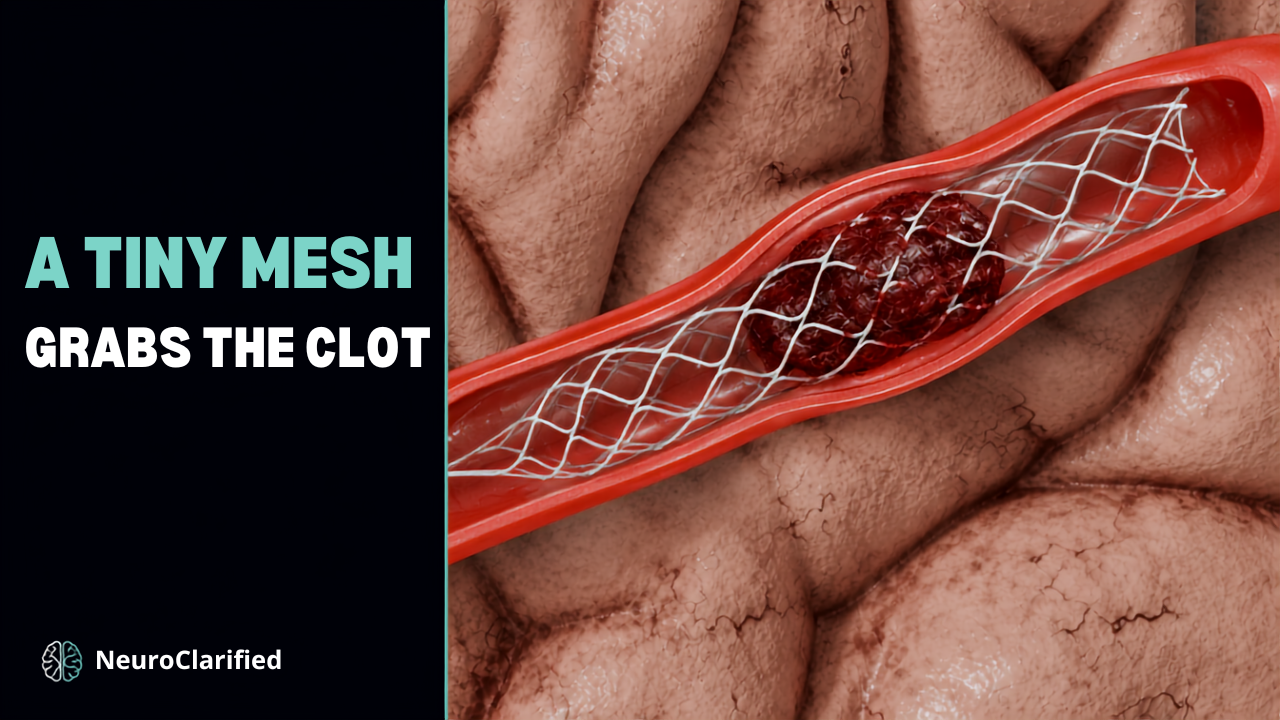
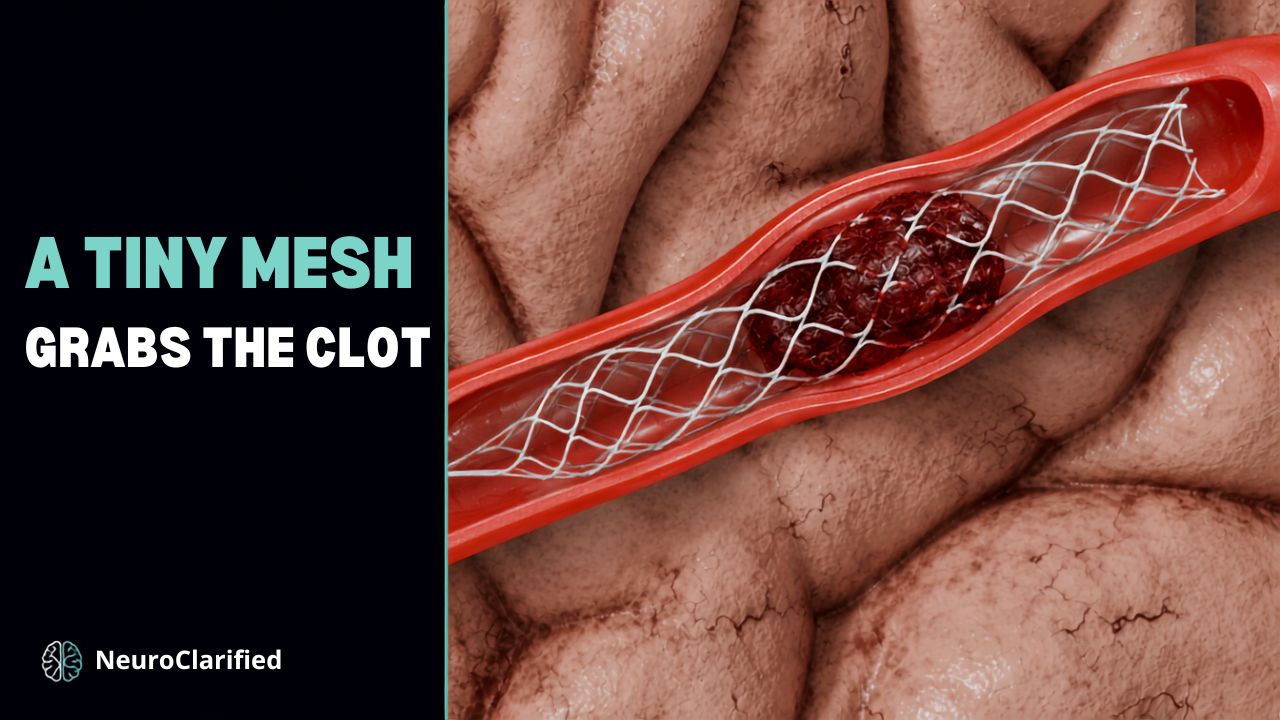
Mechanical Thrombectomy: How Doctors Remove a Brain Clot
Mechanical thrombectomy can reopen a large brain artery by removing the clot through catheters. A stroke and interventional neurologist explains the procedure step by step.
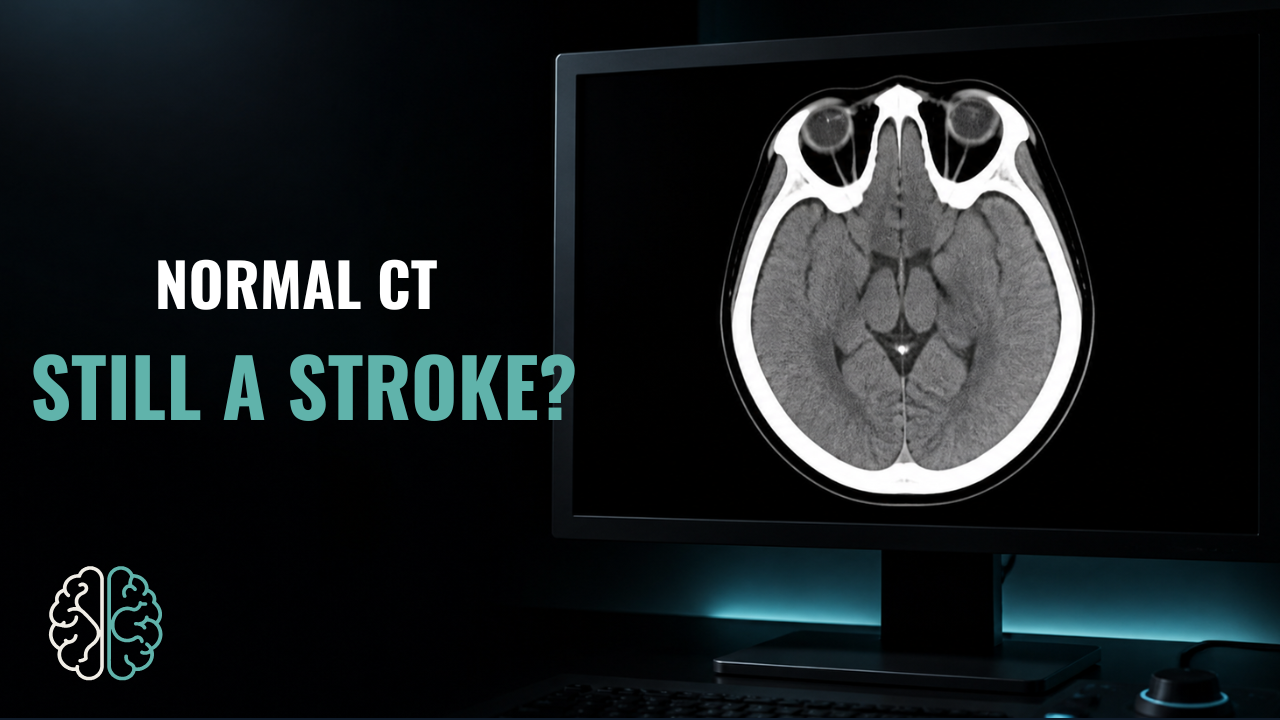
What a Normal CT Scan Really Means After Stroke Symptoms
A brain CT can look normal in the first hours of an ischemic stroke. Here is what CT, MRI, vessel imaging, and perfusion each tell the stroke team—and what a normal CT does not rule out.
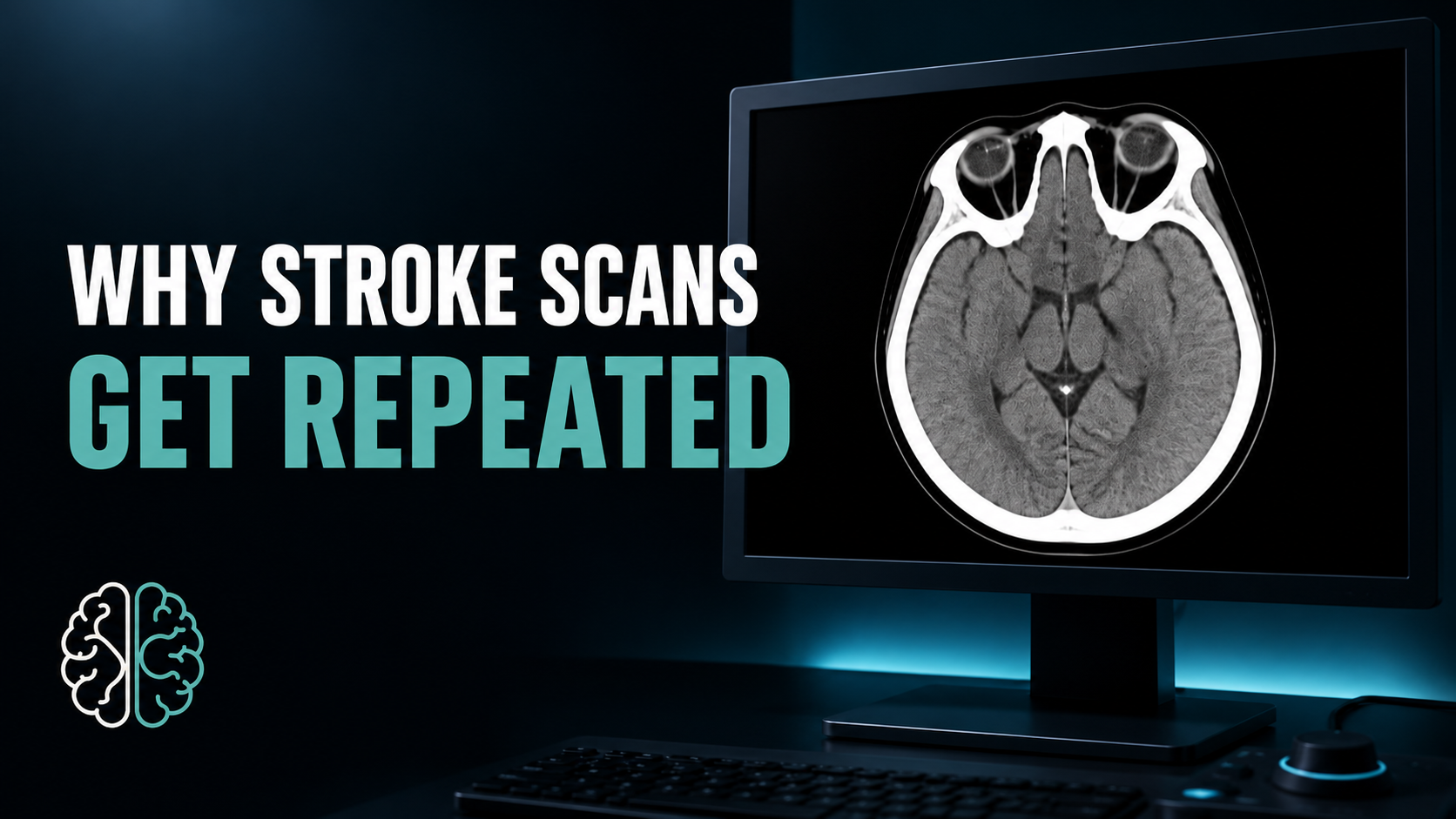
Why Stroke Scans Get Repeated — and When MRI Isn’t Possible
A second brain scan after stroke symptoms usually does not mean something suddenly became worse. Repeat imaging often answers questions the first scan could not answer yet.
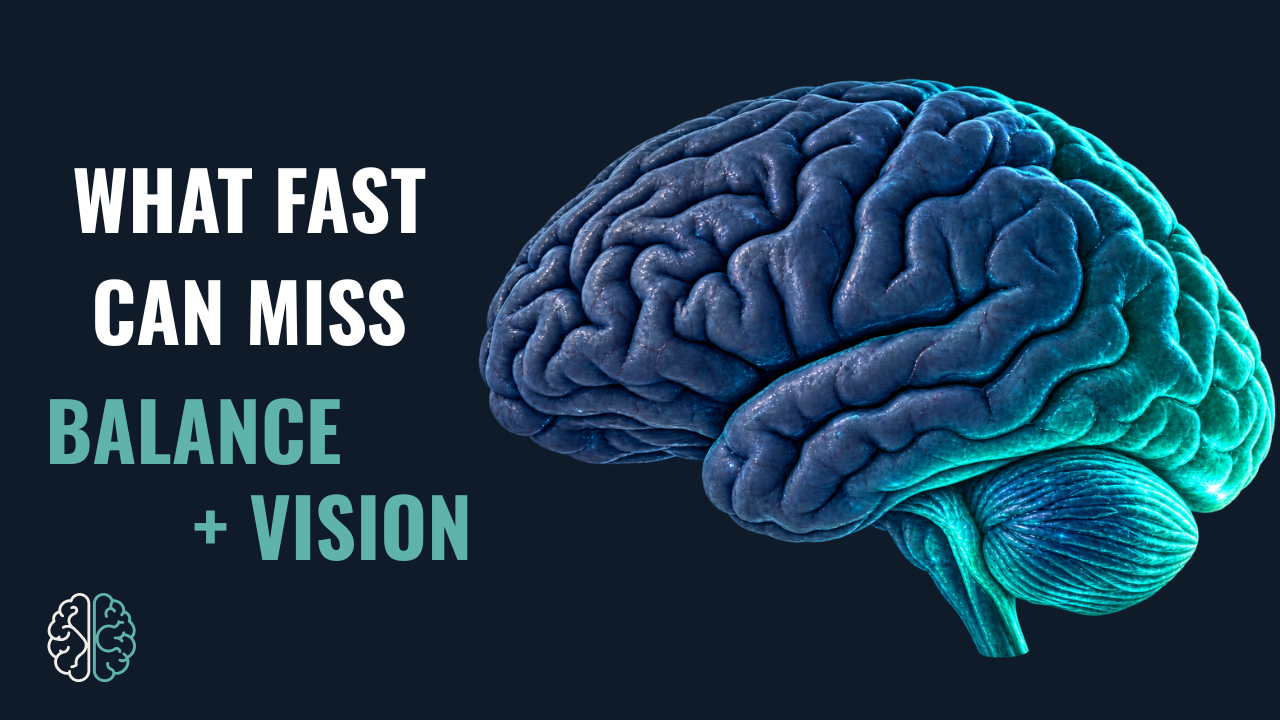
The Stroke That Comes In the Back Door.
Sudden dizziness, imbalance, or double vision can be a stroke even when face, arms, and speech test normal. Here is why — and what to do.
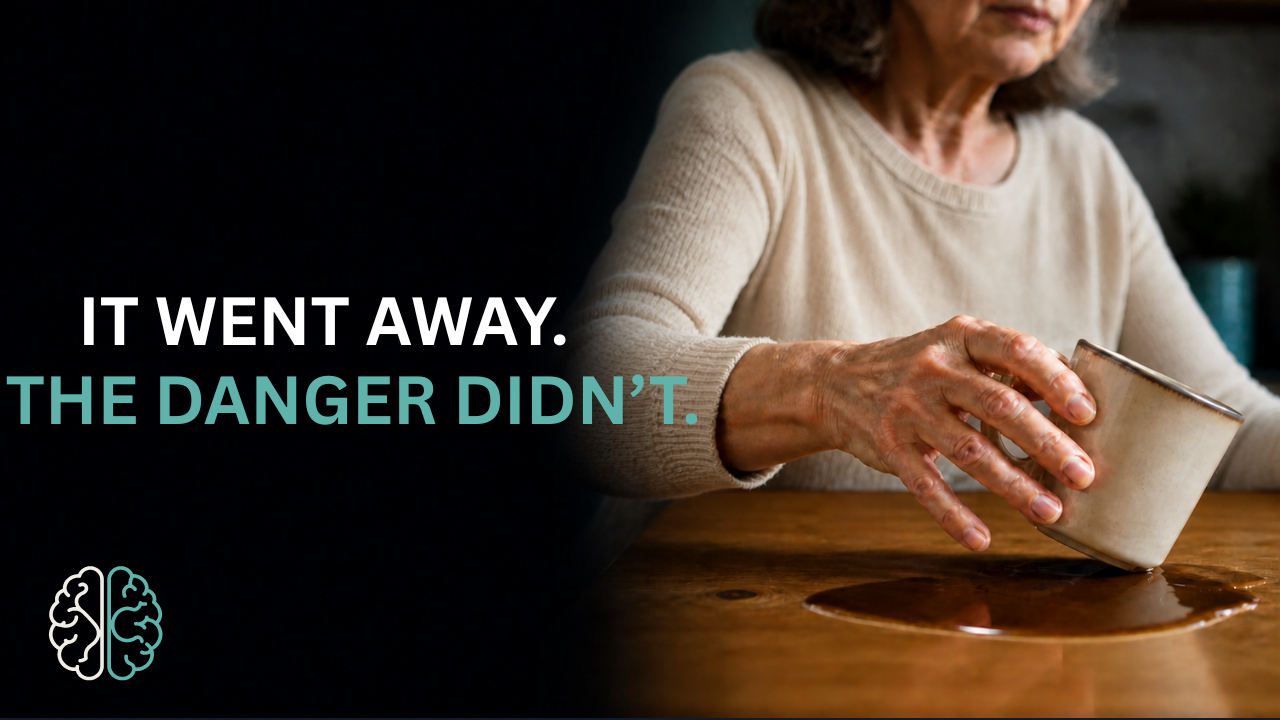
TIA Symptoms Went Away? Why You Still Need Emergency Evaluation
A transient ischemic attack can end in minutes while the cause—and the highest-risk window—remain. Learn why symptoms that disappear still need emergency evaluation, what doctors look for, and how treatment targets the cause.
Dizziness and Stroke: Why You Can't Tell the Difference
Dizziness from an inner-ear disorder, migraine, or stroke can look remarkably similar. Here is why you cannot reliably tell the difference at home — and why a normal CT does not rule out ischemic stroke.
5 Things Most People Get Wrong About Stroke
Five common stroke misconceptions explained by a neurologist, including why mild or temporary symptoms still matter, how stroke can affect younger adults, and what modern stroke treatment can do.
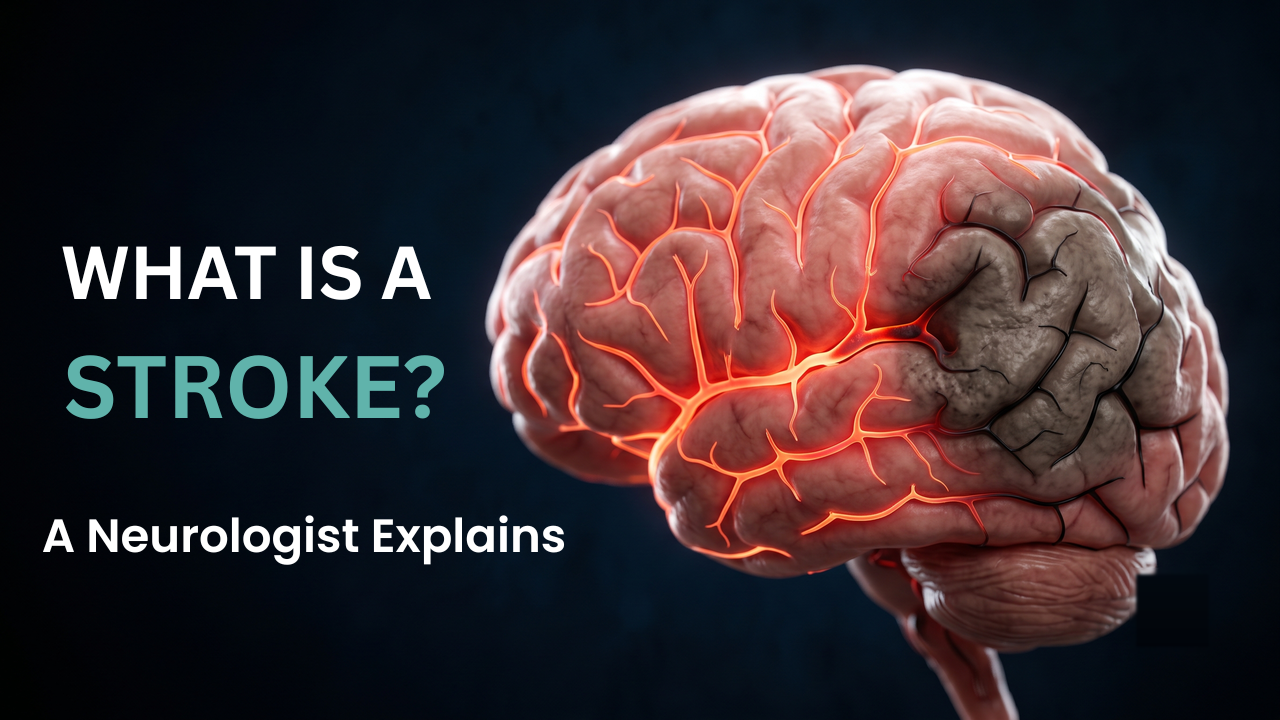
What Is a Stroke? Types, Causes, and Why Time Matters
A neurologist explains what a stroke is, how ischemic and hemorrhagic strokes differ, why symptoms vary, and why recognizing the signs quickly matters.