Articles
Clear explanations of neurological conditions, symptoms, tests, and treatments. Choose a topic or search the collection below.

Migraine and White Spots on Brain MRI: Should You Worry?
Carol’s late-night MRI report lists three possibilities. Learn why the pattern and your symptoms matter more than the words “white spots.”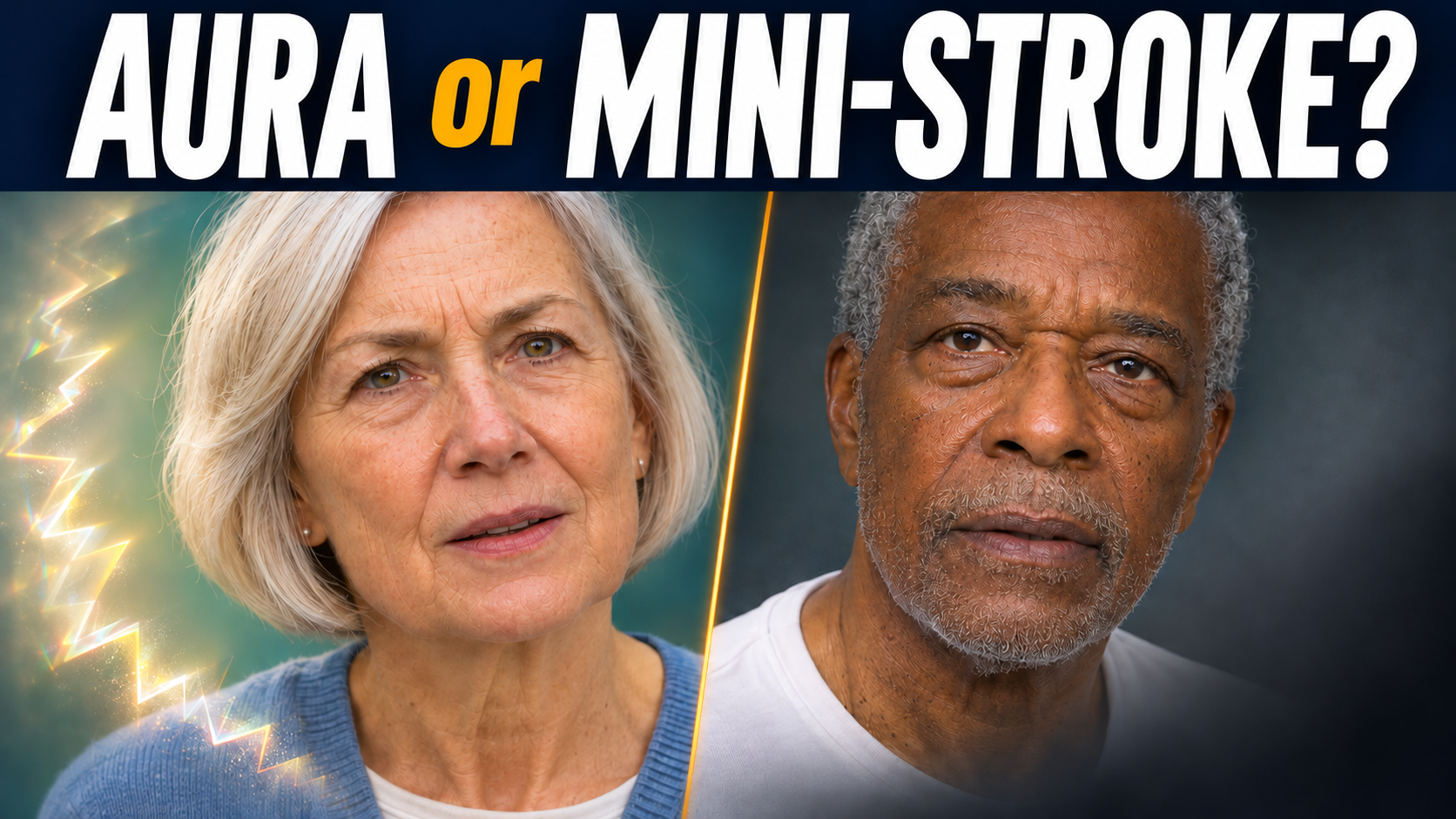
Migraine Aura or TIA? Four Clues—and the Rule That Matters Most
A shimmering zigzag. A five-minute curtain. Two patients show why the most dramatic symptom is not always the most dangerous.
Migraine, Stroke & Dementia: 10 Habits for Brain Health
Different diseases, overlapping risks. A practical guide to blood vessels, fuel and recovery.

Visual Aura: What Triggers It—and What Can Help?
A neurologist's practical guide to the shimmer: possible triggers, comfort measures, what medicine can and can't do, and when to get help.

Medication Overuse Headache: When Headache Days Increase
Relief today can coexist with more headache days over time. Understand the medicine-use pattern, the role of migraine prevention, and what to bring to your next appointment.
Visual Aura Without Headache: Why the Zigzags Move
A missing word. A shimmering zigzag. No headache. Discover the brain science behind visual aura—and how a pencil sketch can help you describe it to your doctor.
The Bleeding Stopped. Why a Ruptured Brain Aneurysm Is Still an Emergency
A ruptured brain aneurysm may stop bleeding on its own, but the danger is not over. Here is why doctors treat it urgently and how coiling and clipping seal the aneurysm.
After a Ruptured Brain Aneurysm Is Treated: What Families Can Expect
Securing a ruptured brain aneurysm prevents another bleed, but recovery is only beginning. Here is what families may see during the hospital stay and afterward.
Could This Headache Be a Stroke? Two Questions That Matter
Most headaches are not strokes. But two features change how urgently a headache should be treated: how quickly it reached maximum intensity and whether any new neurological symptom came with it.
Thunderclap Headache: When a Normal CT Is Enough — and When It Isn't
A normal head CT can be highly reassuring in the right early presentation, but timing, examination findings, and the diagnosis being considered determine whether the evaluation is finished.